Gardening Tips
How to Trim Hedges: When, How, and What to Use
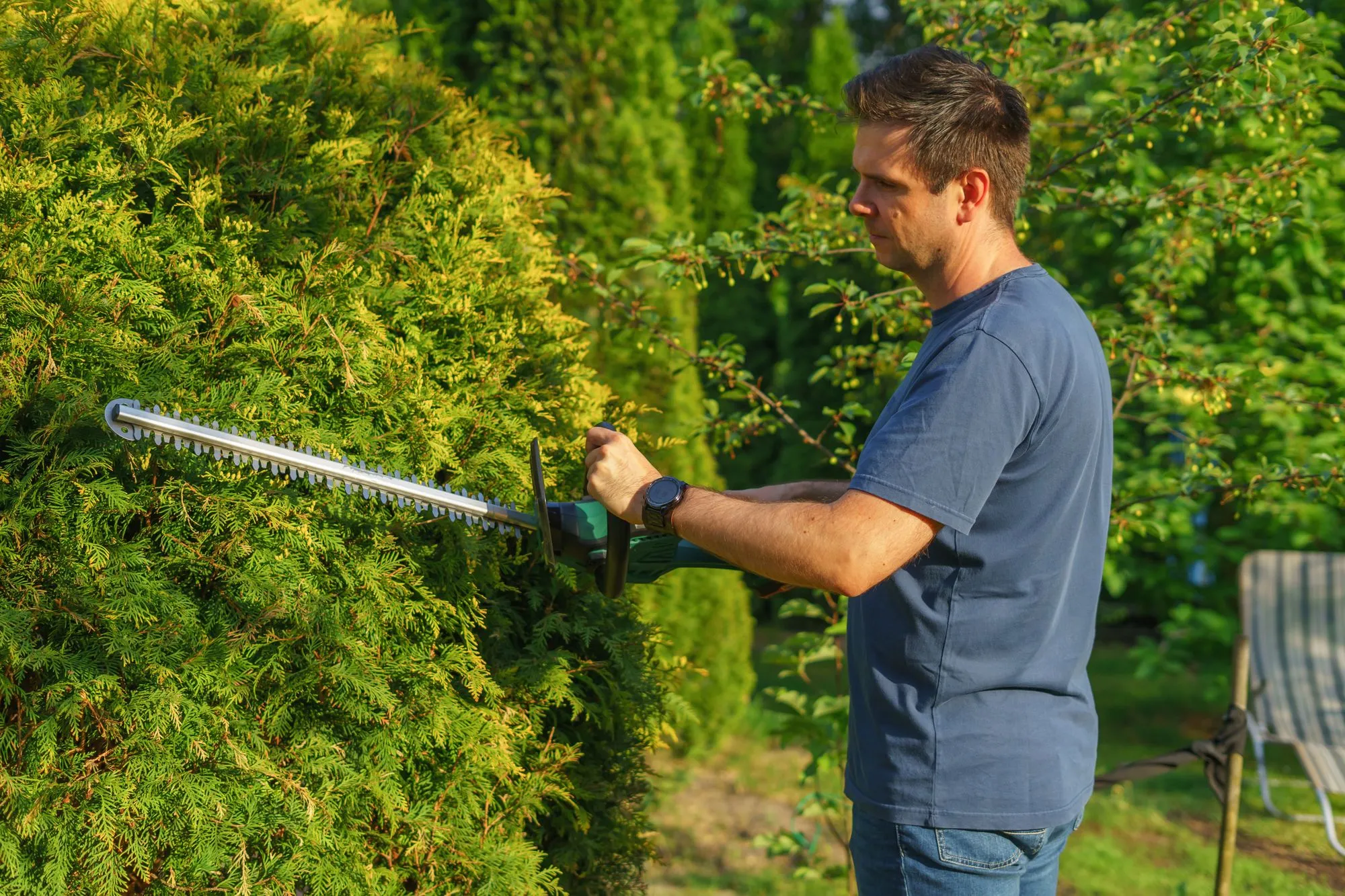
When to trim hedges, how to shape them so the base stays green, and how to use a trimmer safely — plus how to choose the right one.

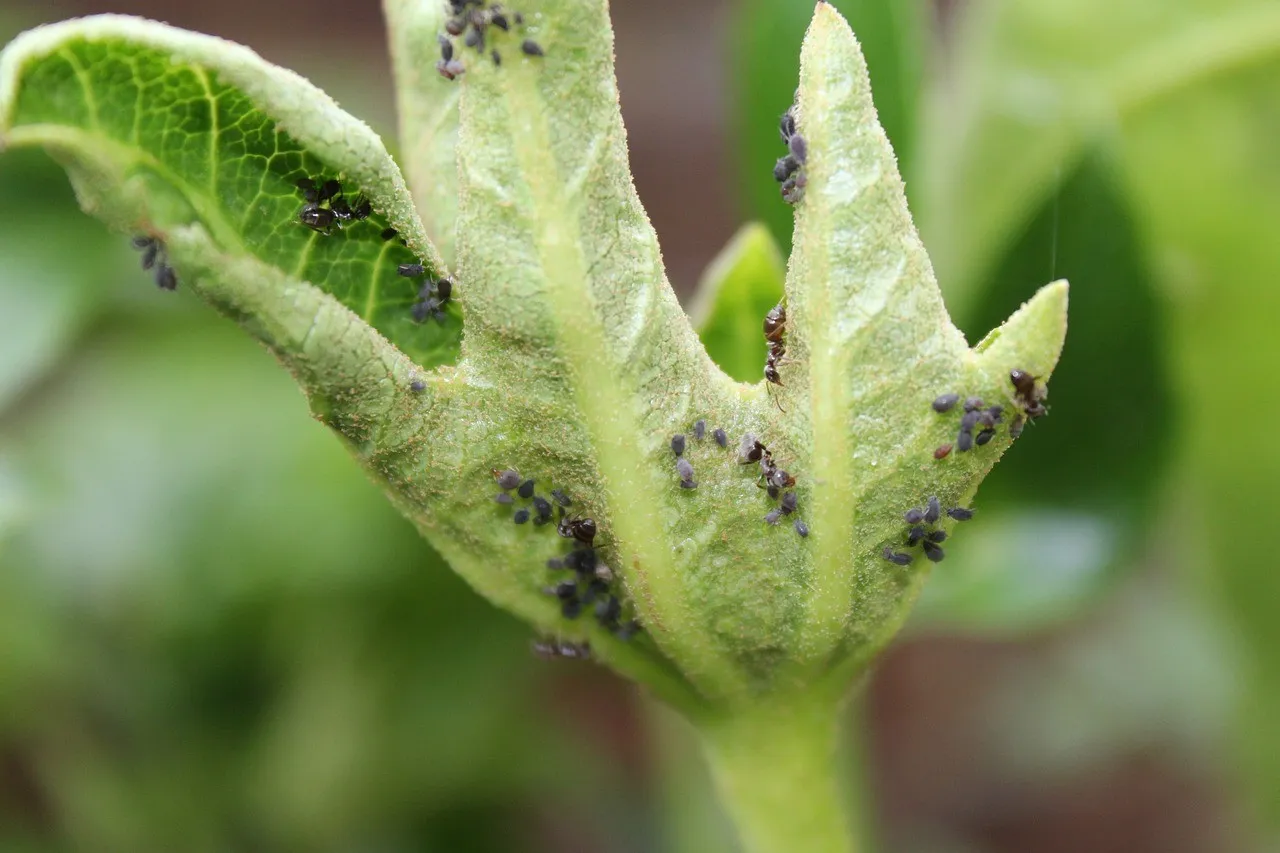
You’re tending to your garden on a nice afternoon, everything looks decent for once, and then you notice it. A plant that was fine last week is starting to look… off. The leaves are discolored, maybe curling in weird ways. You flip one over and—there they are. Tiny black bugs. Lots of them. That sinking feeling is real, trust me. I’ve been there more times than I’d like to admit.
The frustrating part isn’t just that they’re there. It’s that they spread fast. One week it’s just on that one plant, next week you’re finding them everywhere. They hide on the undersides of leaves where you’re not looking. They suck the life out of your plants’ sap. And before you know it, the whole thing’s a mess.
The good news? You can fix this. You just need to know what you’re actually dealing with, how to stop them, and—most importantly—how to keep them from showing up in the first place.
If you’re getting bugs, there’s usually a reason. It’s rarely just bad luck.
Moisture is probably the biggest culprit. Too much watering combined with poor drainage creates this humid, warm environment that pests absolutely love. I’ve learned this the hard way. You think you’re being helpful, watering that plant extra because it looks sad, and suddenly you’ve created the perfect bug resort. Fungus gnats especially thrive in soil that stays wet.
Warm seasons bring them out. Spring and summer, when things are growing fast, that’s when infestations tend to explode. The bugs reproduce quicker, everything’s warm, and your plants are putting out tender new growth that’s basically like an all-you-can-eat buffet for pests.
Weak plants attract bugs like nothing else. A healthy plant can usually handle a few pests without falling apart. But if your plant’s already stressed—maybe it got moved around a lot, or the light isn’t great, or the roots are cramped—that’s when the bugs move in and really do damage. It’s like they can sense vulnerability.
New plants without quarantine are how infestations get started in the first place. This is something I see happen all the time. Someone brings home a new plant from the nursery, sets it right next to their healthy plants, and three days later bugs are everywhere. Always, always check a new plant before it joins the collection. Look under the leaves. Check the soil. Spend a few days keeping it separate if anything looks suspicious.
Tiny black bugs on plant leaves are often aphids, spider mites, or fungus gnats. These pests can damage your plants by feeding on sap or causing stress. To manage them, consider using insecticidal soap, neem oil, or introducing beneficial insects like ladybugs to keep their populations in check.
They’re not evenly distributed across your plant, which is why they’re so easy to miss at first.
The undersides of leaves are their favorite spot. This is why I always tell people to check under the leaves first. They’re protected there, away from spraying water and sunlight. Flip a leaf over and you’ll usually see them clustering along the veins.
New growth tips are another place they love. Those tender young leaves haven’t hardened off yet, so they’re like butter to these pests. If you’re not watching the new leaves specifically, an infestation can get pretty far along before you notice.
Around stems and leaf joints is where they hide too. It’s tight quarters there, and they can stay tucked in until they’ve really built up numbers.
For soil-dwelling pests like fungus gnats, they’re hanging out on the soil surface and deeper in the potting mix. The larvae are actually in the soil, which is why treating the soil matters as much as treating the leaves.
So what are you actually looking at? Let me break down the main ones you’ll encounter.
These are soft-bodied little things, and they come in different colors depending on the species—black, green, brown, pink, sometimes nearly yellow. But what they have in common is that they’re almost always clustered in groups.
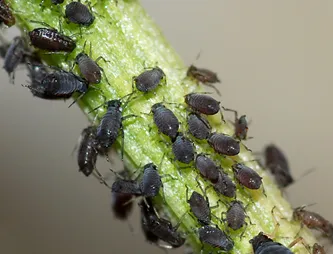
Here’s how they work: they land on your plant and immediately start pumping out babies. Wingless nymphs, mostly. Within seven to ten days, those nymphs are big enough to make babies of their own. The whole cycle repeats. One female can produce sixty offspring in a generation. Do the math and you’ll understand why they get out of control so fast.
The damage shows up as curled, twisted leaves. Sometimes the whole leaf gets wrinkled and deformed. That’s the aphid feeding and injecting toxins as it sucks sap.
What’s annoying is the honeydew they produce—a sticky, sugary waste that pools on the leaves and attracts a black fungus called sooty mold. Now your leaves look blackened and gross, and you’ve got two problems instead of one. Plus, sometimes aphids carry plant viruses, which can seriously set your plant back.
These are small black flies hovering near soil level. You’ll notice them when you water or disturb the plant. The real problem isn’t the adults so much as the larvae living in the soil. They’re tiny white worms eating away at the roots.
Fungus gnats love moisture. Over-watered houseplants are their ideal home. Once they establish, they’re annoying to get rid of because part of their lifecycle is in the soil where sprays don’t reach.
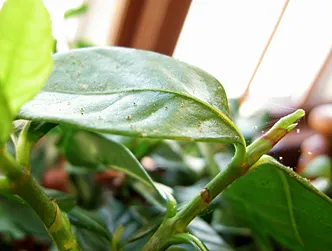
These actually aren’t insects at all—they’re arachnids, tiny cousins of spiders. So small you can barely see them without really looking.
They create webbing on the leaves, which is pretty distinctive. If you see fine silk strands on leaves, that’s usually spider mites. The leaves underneath get tiny yellow spots, kind of stippled looking. Eventually the whole leaf turns pale and sickly yellow, dries up, and drops.
Here’s the annoying part: they love dry conditions. So the thing that kills off some other pests actually helps spider mites. Females can lay three hundred eggs in a few weeks, so they explode in population quickly. By the time you really notice the damage, there’s usually a massive population already established.
These look like tiny dark slivers to the naked eye. Slender black bodies with feathery wings. They’re not as common as aphids or spider mites, but they show up.
They suck sap like the others, but they also scrape the leaf surface. The damage is distinctive—silvery, pale streaks on the leaves. Twisted, deformed new growth. Leaves that look almost scarred or scraped. In severe cases, the plant just doesn’t recover.
The direct answer is: mostly they hurt plants.
Your pets and family aren’t at risk from the bugs themselves. That’s the one thing you don’t have to worry about. They’re too specialized for plant feeding to mess with animals.
But if a plant gets a bad enough infestation, it can weaken completely. That’s when you might have a dead plant situation, which is its own kind of problem.
The concern people sometimes have about chemical treatments around kids and pets—that’s valid. Which is why the natural methods matter.
It starts small and gets worse if you let it.
They puncture the leaf tissue and suck out the sap. Your plant literally loses its nutrition. Growth slows down or stops entirely. New leaves come out twisted and wrong. Flowers might not form at all, or they drop before they even open.
The plant gets stressed, which makes it weaker, which makes the bugs worse. It’s a downward spiral. That’s why catching them early really does matter.
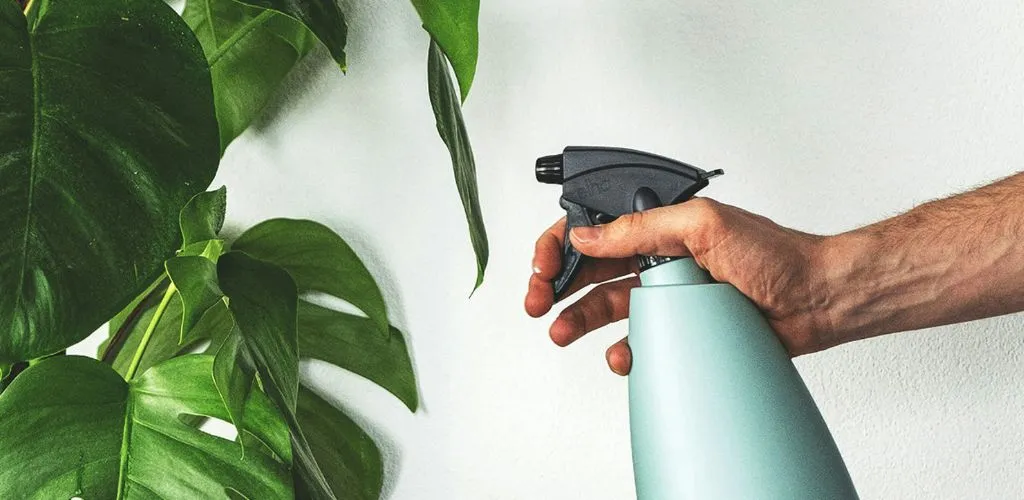
I prefer natural methods because they work and they don’t mess with everything else in your garden. Plus, they’re usually cheaper.
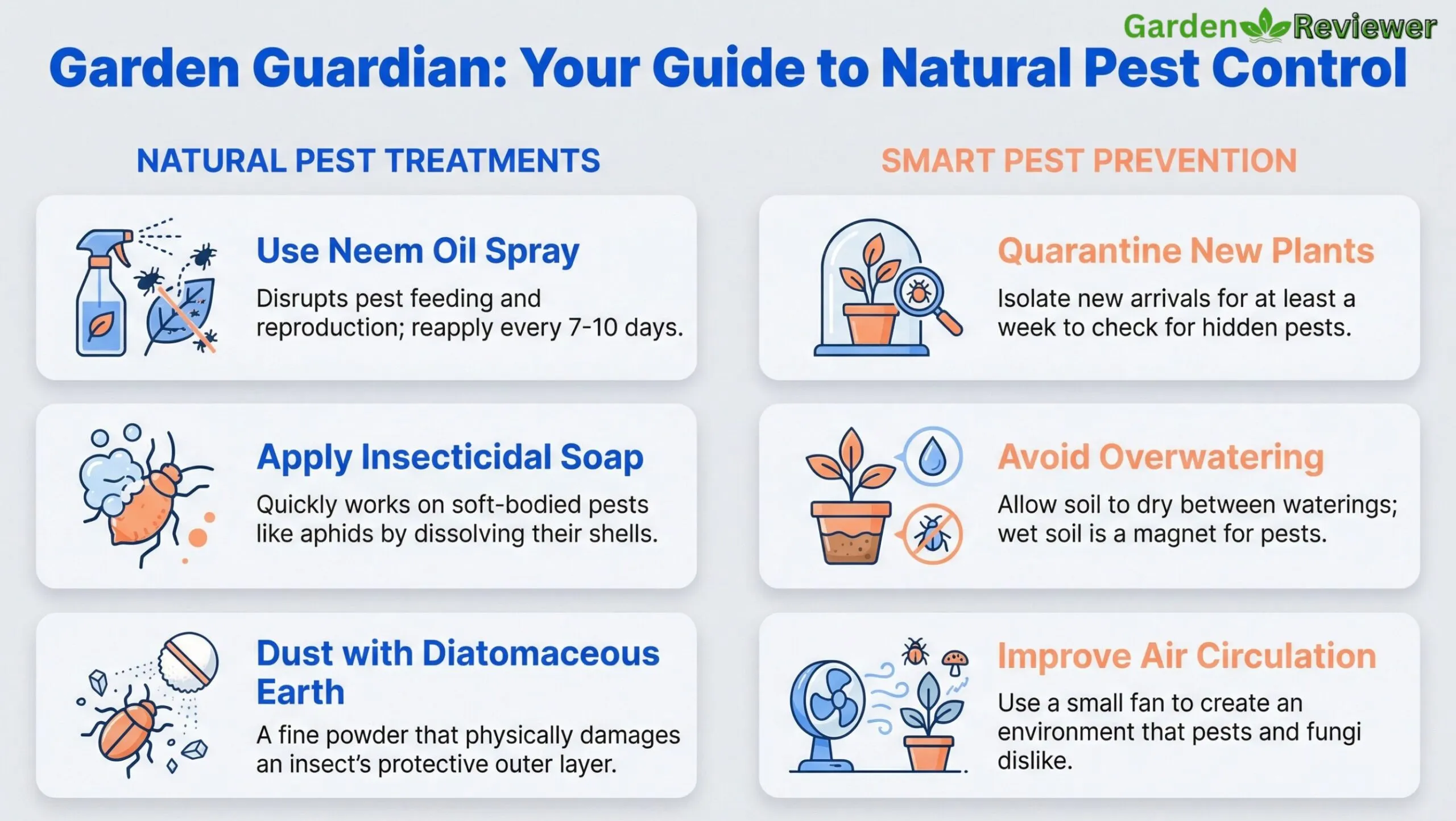
Neem Oil Spray is probably the most reliable thing I use. It’s derived from neem tree seeds and it disrupts how pests feed and reproduce. Spray it directly on affected areas, getting good coverage on the undersides of leaves. You need to repeat it every seven to ten days because it doesn’t have lasting residue. Follow the instructions on the bottle—too concentrated and you can burn the leaves.
Soapy Water (done right) is actually effective for minor infestations. Mix one tablespoon of pure dish soap—not antibacterial, not the expensive stuff—with a quart of water. Spray thoroughly, get under those leaves. It’s the same mechanism as insecticidal soap, just weaker. Good for when you catch things early.
Diatomaceous Earth (food-grade, not pool-grade) works differently. It’s fossilized algae with sharp edges that damage the insect’s waxy coating. Dust it on the soil surface and around the base of the plant. It dries things out a bit, which is actually good if you’ve been overwatering. Reapply after rain or watering.
Insecticidal Soap is milder and works quickly on soft-bodied insects like aphids. Again, you’re spraying directly on the bugs. It breaks down their cell membranes. Less effective on spider mites, though. And it washes off with water or rain, so you need to reapply fairly often.
Beneficial Insects like ladybugs and lacewings eat aphids and other small pests. If you have a garden, attracting these naturally is amazing. Planting things like dill, fennel, and yarrow helps. You can also buy them online, though I’ve had mixed results with purchased insects actually staying around.
Honestly? Most of the time, a combination approach works best. Spray with neem oil, follow up with insecticidal soap a few days later if needed, improve watering and air circulation so the environment isn’t so pest-friendly anymore.
This is where the real discipline comes in, and honestly, it’s easier than fighting an infestation.
Sticky traps are your early warning system. Those little yellow or blue traps catch flying insects. If you’re seeing gnats or aphids on them, you know there’s a problem before it explodes. Keep a few around and check them weekly.
Quarantine new plants for at least a week. Keep them separate from your other plants. Check multiple times. Look under leaves, in the soil, on stems. I know it’s tedious, but it prevents so much headache.
Avoid overwatering. This is probably the single biggest mistake that leads to infestations, especially indoors. The soil should dry out between waterings. Not bone dry, but noticeably drier. Stick your finger in the soil. If it’s wet, don’t water.
Improve air circulation. Pests like stagnant, humid air. A simple small fan going near your plants, even for a few hours a day, makes a real difference. Plus it strengthens plant stems and reduces fungal issues.
Wipe down leaves occasionally with a soft cloth and lukewarm water. It’s not foolproof, but it removes dust and some pests before they establish. Plus you get to really look at your plants closely, which is when you catch problems early.
Use clean soil. Old, reused potting mix can harbor pests and diseases. It’s cheaper to try and recycle it, I know, but fresh soil really does reduce problems. If you do reuse soil, at least bake it in the oven at 180°F for thirty minutes to kill off pathogens.
Clean your pots with soap and water between plants. Pest eggs can hide in dried soil residue inside containers.
Related Read: Protect plants from bugs
Indoor plants seem to get more pest pressure than outdoor ones, at least in my experience. Maybe because the air is stiller, or because we’re bringing them in and out.
Drainage is critical. More houseplants get destroyed by poor drainage than almost anything else. Make sure pots have drainage holes. Use potting mix that drains well—not heavy garden soil. The soil should be airy, not compacted.
Humidity matters. If you’re misting your succulents constantly, you’re creating the perfect environment for fungus gnats and other pests. Succulents especially want dry conditions. Let them breathe. Only mist if the air is genuinely dry and you’re trying to help the plant, not on a routine schedule.
The right potting mix makes a huge difference. For general houseplants, a mix that’s about sixty percent potting soil and forty percent perlite or coarse sand gives good drainage. For succulents, even more perlite or sand. Root rot and pest problems often trace back to soil that stays too wet.
Watch the temperature. Some pests thrive when indoor heating kicks in and humidity drops. Others love the warmth. Keeping the environment cool and slightly humid (but not wet soil) helps prevent most issues.
Why do tiny black bugs stay under leaves?
It’s shelter. The underside of a leaf is hidden from above, protected from spraying water, and often has the veins that carry the most sap. They can feed undisturbed there.
Do tiny black bugs live in soil?
Some do. Fungus gnats and their larvae are soil dwellers. Soil-dwelling thrips exist too. Other pests mostly stick to leaves but might venture into the soil when things are really bad. This is why treating both the plant and the soil matters when you’re dealing with an infestation.
How fast can they damage a plant?
Depends on the pest and the infestation size. Aphids can cause visible damage in a couple of weeks. Spider mites take longer because the population builds slowly. But once you start seeing leaf damage, the pest load is usually already pretty heavy.
Can infested soil be reused?
I don’t recommend it. You can bake it to sterilize it, but honestly, the fresh soil isn’t that expensive and the peace of mind is worth it.
Here’s what I’ve learned from years of dealing with this stuff: bugs aren’t a sign of failure. They happen to everyone. Even careful gardeners get them. The difference is catching them early and not panicking.
The plants that recover fastest are the ones you notice problems with quickly and handle while the infestation is still manageable. That’s why checking your plants regularly, really looking at them, matters so much. It’s not paranoia. It’s just good practice.
And honestly, consistent basic care—good drainage, avoiding overwatering, decent air circulation, clean tools and pots—prevents most problems before they start. You don’t need to be perfect. You just need to be thoughtful.
The bugs will come around eventually. That’s gardening. But you’ll know exactly what to do when they show up.
Last Updated: Jan 2026
When to trim hedges, how to shape them so the base stays green, and how to use a trimmer safely — plus how to choose the right one.
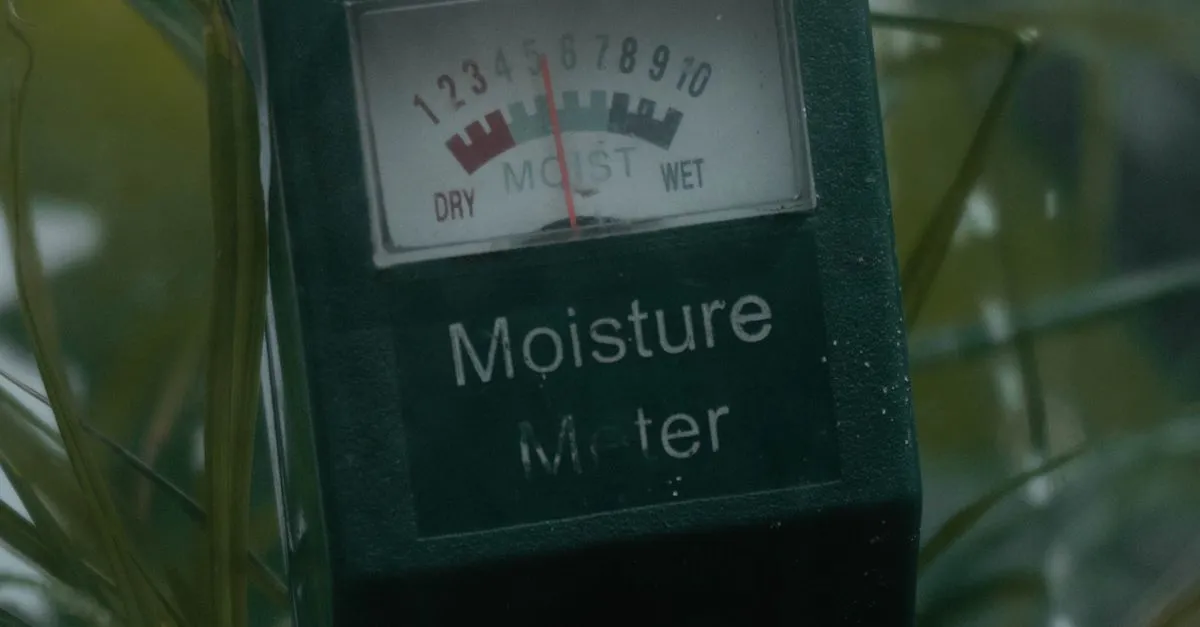
Your soil moisture meter reads 1–10, not wood-moisture percent. See what each number means, the right number to water at for each plant, and why it misreads.
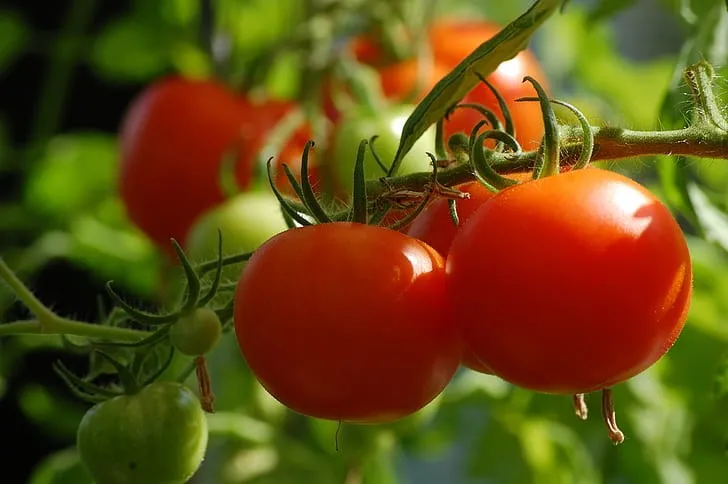
This blog contains the basic information that you definitely need to know about the most common black worms on tomato plants.