
Contents
- What Are Caterpillars and Why Do They Attack Garden Plants?
- Signs of a Caterpillar Infestation (How to Spot Them Early)
- Common Types of Caterpillars Found in Home Gardens
- Why Choose Natural Caterpillar Control Methods?
- Natural Ways to Get Rid of Caterpillars (Proven Methods)
- Natural Predators That Help Control Caterpillars
- Companion Planting to Deter Caterpillars Naturally
- Garden Hygiene Tips to Prevent Caterpillar Infestation
- Are Natural Caterpillar Remedies Safe for Pets and Kids?
- How to Prevent Caterpillars From Coming Back
- Frequently Asked Questions About Caterpillars
- Final Thoughts on Getting Rid of Caterpillars Naturally
I have a love-hate relationship with butterflies. Seeing a Swallowtail drift across the yard is magical, right up until I look down and see my dill plants stripped to the stem.
That’s the reality of gardening. If you grow food, something is going to try to eat it before you do. And in most cases, that “something” is a caterpillar.
I remember my first year growing broccoli. I was so proud of those heads forming, then I went out one morning and they were just… gone. Shredded. I learned the hard way that you can’t just ignore these guys. They are eating machines.
But you don’t need to nuke your garden with harsh chemicals to stop them. Actually, I’ve found that the gentle, natural methods work better in the long run anyway.
What Are Caterpillars and Why Do They Attack Garden Plants?
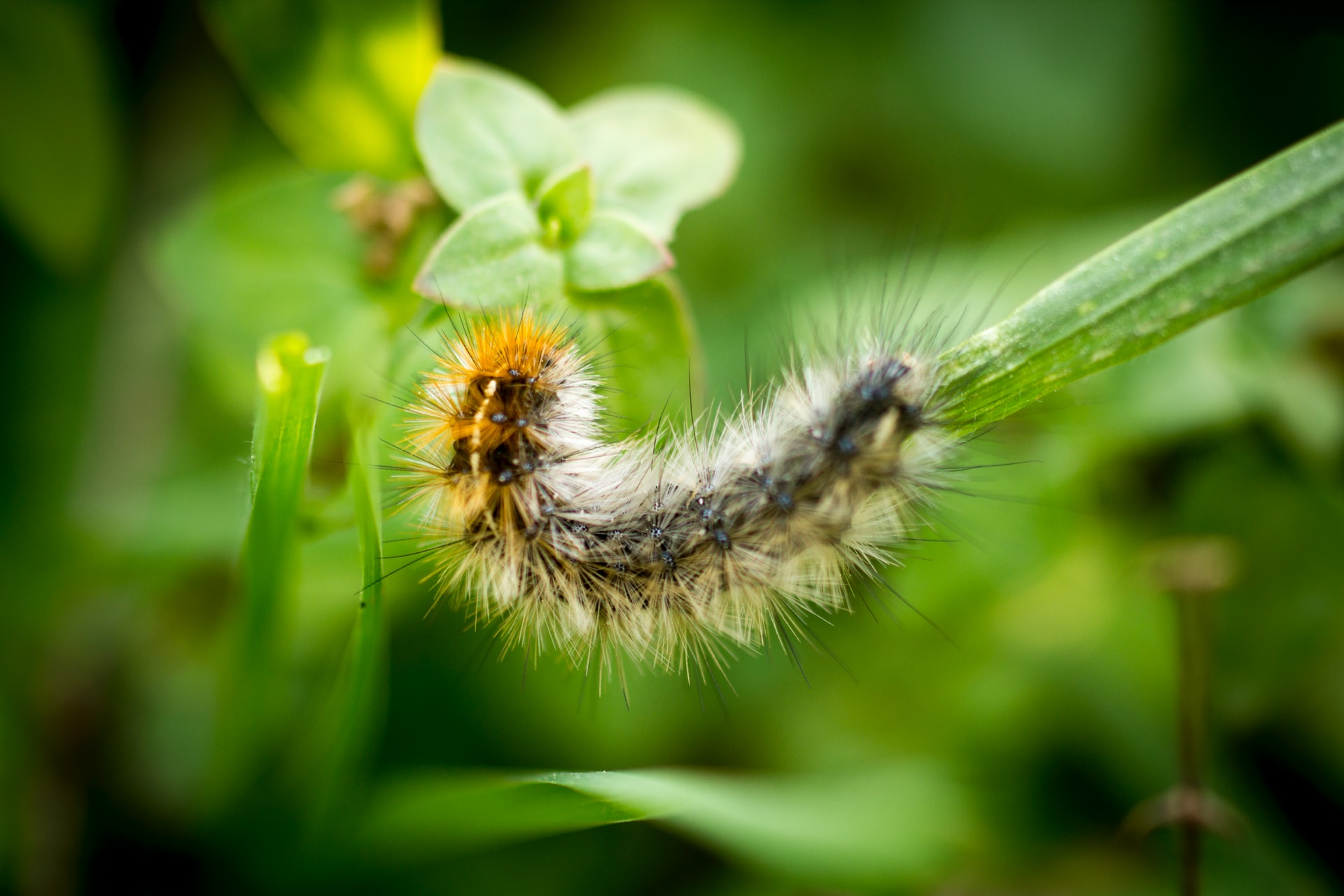
It’s pretty simple biology, really. Caterpillars are just the larval stage of moths and butterflies. Their only job in life is to eat enough calories to fuel their metamorphosis.
They aren’t being malicious; they’re just hungry.
Usually, moths lay their eggs on the underside of leaves (a spot many new gardeners forget to check). Once those eggs hatch, the larvae start chewing. Soft, leafy greens like lettuce, kale, and chard are like candy to them, but I’ve seen them go after everything from herbs to fruit trees.
Common signs your plants have caterpillars include:
Irregular holes in the middle of leaves or chewed leaf edges
Fine black or green droppings (frass) on lower leaves or soil
Tiny yellow or white egg clusters stuck to the undersides of leaves
Leaves that look “skeletonized,” with only veins remaining
Sudden overnight damage, especially on tender new growth
Signs of a Caterpillar Infestation (How to Spot Them Early)
Here is the thing—caterpillars are masters of camouflage. You will almost always see the damage before you see the bug.
-
Swiss Cheese Leaves: If your leaves have irregular holes in the middle, or the edges look like someone took a bite out of them, you’ve got visitors.
-
Frass: This is the polite gardener term for caterpillar poop. It looks like little black pepper grains or tiny dark pellets on the lower leaves or the soil. If you see frass, look up. The culprit is usually hanging out right above it.
-
Eggs: Flip your leaves over. If you see tiny clusters of yellow or white dots, scrape them off. That’s the next generation waiting to hatch.
Also, realize that a lot of feeding happens at night or early morning. If you check your plants at noon, the caterpillars might be hiding deep in the soil or curled up under a leaf stem to avoid the heat.
If you’re seeing small dark pests but aren’t sure they’re caterpillars, it may also help to check our guide on tiny black bugs on plant leaves, since aphids and thrips cause similar damage.
Common Types of Caterpillars Found in Home Gardens
You don’t need a degree in entomology to deal with these guys, but it helps to know what you’re looking at.
Tomato Hornworms
Hornworms are the stuff of nightmares. They are huge, green, and have a little “horn” on the tail. They blend in perfectly with tomato stems. You can stare right at one and not see it until it moves.
Cabbage Loopers
These are the little green inchworms that arch their backs when they crawl. They love your brassicas (broccoli, cabbage, kale).
Armyworms
Armyworms tend to travel in groups (hence the name) and can skeletonize a plant pretty fast.
Cutworms
These are the worst. They curl around the base of a seedling and chew through the stem, felling the plant like a tree. If you wake up and your seedling is lying flat on the ground, it’s probably a cutworm.
Why Choose Natural Caterpillar Control Methods?
I used to wonder why I shouldn’t just grab a bottle of strong pesticide and be done with it.
The problem is collateral damage.
Strong chemical sprays don’t just kill caterpillars; they kill bees, ladybugs, and the very predators that eat the caterpillars. Plus, if you are growing spinach or tomatoes that you plan to feed to your kids or toss in a salad, do you really want them coated in something labeled “poison”?
Natural methods protect the ecosystem you’re trying to build.
Natural Ways to Get Rid of Caterpillars (Proven Methods)
Over the years, I’ve tried pretty much everything. Some “internet hacks” are useless, but these methods actually work.
Handpicking Caterpillars and Eggs
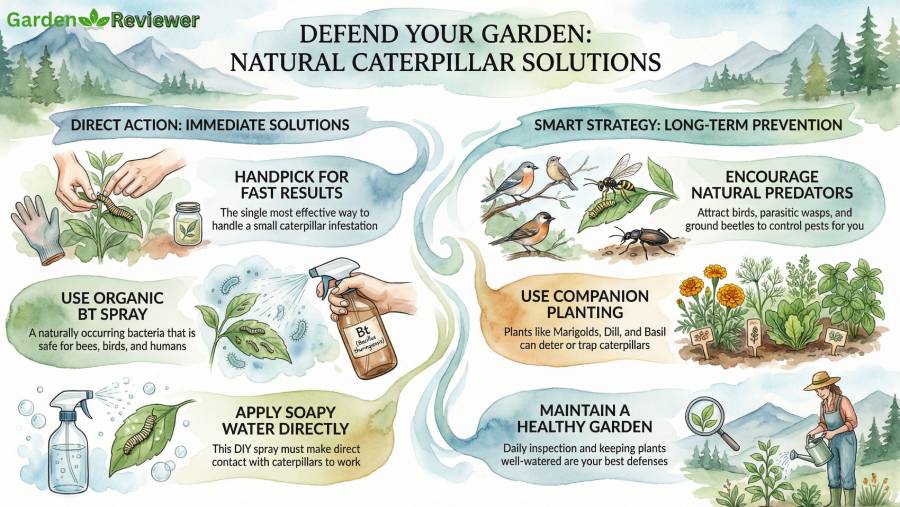
This is gross. I won’t lie to you. But it is the single most effective way to handle a small infestation.
Put on a pair of garden gloves. Inspect your plants. When you see a caterpillar, pluck it off and drop it into a bucket of soapy water. If you are squeamish, you can use tweezers, but your hands are faster.
Don’t just throw them over the fence—they’ll crawl back. The soapy water drowns them.
Organic Bt (Bacillus thuringiensis)
If handpicking isn’t cutting it, or if you have a huge garden, Bt is my favorite tool.
Bt is a naturally occurring bacteria that lives in soil. It targets caterpillars specifically. When they eat a leaf sprayed with Bt, it messes up their digestive system, they stop eating, and they die a couple of days later.
The best part? It doesn’t hurt birds, bees, or humans. Just make sure you follow the instructions on the bottle. I usually spray it in the evening so the sun doesn’t break it down too fast.
According to guidance from the U.S. Environmental Protection Agency, Bt is considered safe for humans, pets, and beneficial insects when used as directed.
Soapy Water Spray (Correct Way to Use It)
You can make a decent contact spray with stuff under your sink.
Mix about a teaspoon of mild liquid dish soap into a quart of warm water. Put it in a spray bottle.
You have to actually hit the caterpillar with this for it to work; it suffocates them. Spraying the leaf and walking away won’t do much. Also, always spray the undersides of the leaves—that’s where the babies hide.
Neem Oil for Caterpillar Control
Neem oil is extracted from the neem tree. It’s not an instant killer. It works by messing with the bug’s hormones so they stop eating or can’t molt.
It works, but it takes time. I see it more as a deterrent than a quick fix. If you have a massive infestation eating your plants today, neem might be too slow.
Vinegar Spray (When to Use & When to Avoid)
Vinegar does kill caterpillars on contact, but it’s also the easiest way to accidentally damage your plants. I learned pretty quickly that vinegar doesn’t know the difference between a pest and a leaf. If you decide to try it, keep it weak—about one part vinegar to three parts water—and only spray directly on the caterpillar, never the foliage itself. Avoid using it during hot, sunny hours, and always test on a small area first. Personally, I treat vinegar as a last-resort spot treatment rather than a go-to solution, especially on vegetables or delicate plants.
Natural Predators That Help Control Caterpillars
The lazy gardener’s best friend is a predatory insect.
If you stop spraying everything with chemicals, the “good guys” show up.
-
Birds: Chickadees and wrens eat hundreds of caterpillars a day to feed their babies. Put up a bird feeder or a birdbath.
-
Parasitic Wasps: If you see a tomato hornworm that looks like it has white rice grains stuck to its back, do not kill it. Those are wasp cocoons. The wasps are eating the caterpillar from the inside out. It’s gruesome, but it saves your garden.
-
Ground Beetles: They hunt at night and eat slugs and cutworms.
Companion Planting to Deter Caterpillars Naturally
Some plants have strong scents that seem to confuse the moths looking for a place to lay eggs.
I always plant Marigolds around my tomatoes. I can’t prove it works 100%, but my garden looks nice and I seem to have fewer hornworms. Dill and Fennel are great trap crops. The caterpillars love them. Sometimes I plant dill just so the Swallowtail caterpillars eat that instead of my parsley. Mint and Basil also have strong odors that can help repel pests, though mint will take over your yard if you don’t keep it in a pot.
Garden Hygiene Tips to Prevent Caterpillar Infestation
A messy garden is a bug hotel.
If you leave piles of dead leaves or rotting fruit on the ground, you are giving pests a place to hide during the day and a place to overwinter.
Keep the soil area relatively clean. Also, if you’ve had major caterpillar problems, try tilling the top few inches of soil in the spring or late fall. This exposes the pupae to the cold and to hungry birds.
Are Natural Caterpillar Remedies Safe for Pets and Kids?
For the most part, yes.
Bt is very safe. Soapy water is fine (though I wouldn’t drink it). Neem oil smells terrible—like rotten garlic and peanut butter mixed together—so most kids and dogs won’t want to touch it anyway.
However, keep your sprays labeled and out of reach just to be safe. And remember that “natural” doesn’t always mean “edible,” especially with essential oils or concentrated vinegar.
How to Prevent Caterpillars From Coming Back
You never really “win” against nature, you just manage it.
The best prevention is a morning routine. I walk my garden with my coffee cup every single morning. I look under the leaves. I check for frass. If I spot one caterpillar, I grab it. Catching them when they are tiny is infinitely easier than dealing with a fully grown infestation.
The Royal Horticultural Society also recommends early inspection and manual removal as the first line of defense against caterpillars.
Keeping your plants healthy helps, too. a stressed plant (usually one that isn’t getting enough water) actually sends out chemical signals that attract pests. Weird, right? So keep them watered.
Frequently Asked Questions About Caterpillars
Do caterpillars damage plants overnight?
Oh, absolutely. A nearly full-grown hornworm can strip a pepper plant of every single leaf in one night. They eat almost constantly.
Can caterpillars kill a plant?
In most cases, a mature plant can survive losing some leaves. It looks ugly, but it’ll bounce back. Seedlings are different, though. One caterpillar can kill a seedling by snapping the stem or eating the only leaves it has.
Is Bt safe for vegetables?
Yes. You can spray Bt on broccoli usually up to the day of harvest (check the label to be sure). Just wash your veggies before you eat them, which you should be doing anyway.
Should I remove caterpillars or let them become butterflies?
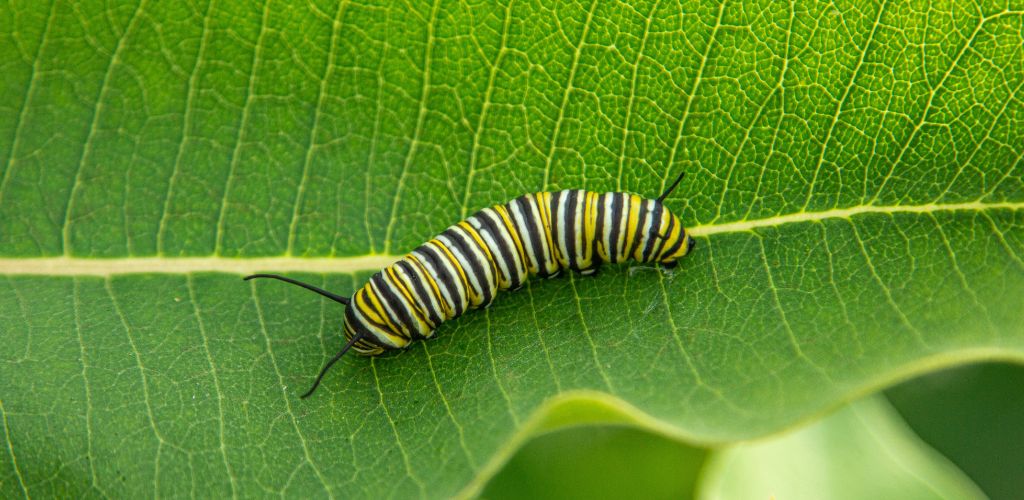
This is the gardener’s dilemma. If it’s a Monarch caterpillar on milkweed, I leave it alone. We need Monarchs. If it’s a cabbage looper on my kale? Sorry, little guy, you gotta go. It depends on how much you want to share your harvest.
Final Thoughts on Getting Rid of Caterpillars Naturally
Look, don’t beat yourself up if you find holes in your leaves. It happens to the best of us, even after years of gardening.
The goal isn’t a perfect, museum-quality plant. The goal is to grow food and enjoy being outside. If you lose a few leaves to a hungry caterpillar, it’s just part of the price of admission. Just keep your eyes peeled, keep your soapy water bucket handy, and try to catch them before they invite their friends.
Have you encountered a caterpillar infestation before? How did you deal with it? Share some tips in comments!
Last Updated: Jan 2026


)